
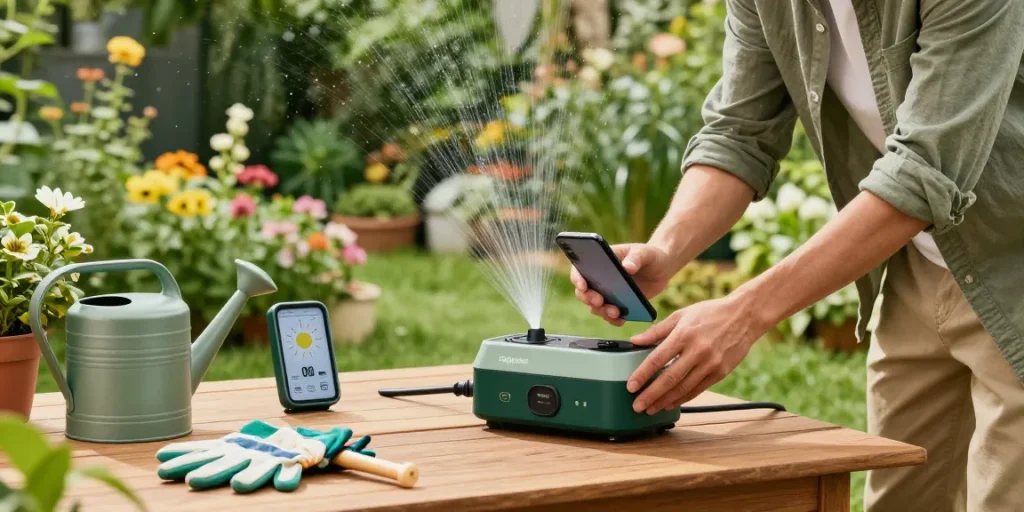
Understanding the Rainpoint Automatic Watering System
The rainpoint automatic watering system represents a groundbreaking approach to gardening and irrigation management. Designed for both seasoned gardeners and novices, this system integrates smart technology to help users maintain healthy, thriving plants while conserving water. As the demand for efficient irrigation solutions grows, understanding how these systems work and their unique features becomes essential for any horticulturist or home gardener.
What is an Automatic Watering System?
An automatic watering system is a technological solution that allows for the scheduled irrigation of plants without the need for manual intervention. These systems can be as simple as a basic timer attached to a hose or as complex as a fully integrated setup featuring sensors, Wi-Fi connectivity, and real-time monitoring through a smartphone app. The goal is to automate the watering process to ensure optimal growth conditions for plants while efficiently using water resources.
Key Features of Rainpoint Systems
- Smart Irrigation Technology: Rainpoint systems use advanced algorithms to adjust watering schedules based on real-time weather data and soil moisture levels.
- Soil Moisture Sensors: These sensors detect moisture levels in the soil, preventing overwatering and ensuring plants receive the ideal amount of water.
- Wi-Fi Connectivity: Connect your watering system to a smartphone app, allowing for remote control and monitoring from anywhere.
- Customizable Schedules: Users can easily set up tailored watering schedules to fit the needs of different plant species throughout the changing seasons.
- Durability and Reliability: Rainpoint products are constructed with high-quality materials designed to withstand outdoor conditions.
Benefits of Using Rainpoint for Efficient Watering
Utilizing a Rainpoint automatic watering system offers numerous advantages for both residential and commercial gardening. Key benefits include:
- Water Conservation: By only watering when necessary, these systems help occupants save on water bills and reduce overall consumption.
- Time Savings: Automatic scheduling allows for less manual labor and frees up valuable time for other gardening tasks.
- Improved Plant Health: Consistent watering promotes healthier plants, resulting in better flower production and increased fruit yield.
- Ease of Use: With straightforward installation and app integration, even beginners can set up an effective system with minimal hassle.
Setting Up Your Rainpoint Automatic Watering System
Installation Guide for Beginners
The process of installing your Rainpoint system should be seamless. Start by gathering all necessary components from the package, typically including the watering timer, sensors, and hoses. Follow these essential steps:
- Locate a suitable area for the timer, ideally near a power source and your water supply.
- Connect the watering timer to your existing hose or sprinkler system.
- Install soil moisture sensors in the garden or pots to effectively monitor moisture levels.
- Ensure all connections are secure to avoid leaks during operation.
Connecting to WiFi and App Configuration
Once the hardware installation is complete, the next step is to connect your system to WiFi. This allows for full functionality and remote management through the Rainpoint app. Follow these steps:
- Download the Rainpoint Smart app from your application store.
- Create an account or log in using your credentials.
- Follow the prompts in the app to connect your watering system to your home network.
- Test the connection and ensure data is streaming correctly to the app.
Common Setup Mistakes to Avoid
While setting up your Rainpoint system is generally straightforward, avoiding common mistakes can save you time and frustration:
- Ensure that your Wi-Fi signal is strong at the installation location; weak signals can lead to connectivity issues.
- Double-check all hose and sensor connections to prevent leaks and ensure proper function.
- Follow the soil sensor placement guidelines for optimal moisture detection.
- Review your app settings and schedule to prevent overwater conditions.
Maximizing Efficiency with Rainpoint Technology
Understanding Soil Moisture Sensors
Soil moisture sensors are a key feature of the Rainpoint automatic watering system. These sensors provide real-time data on the moisture levels in the soil, enabling the system to make informed watering decisions. Users can adjust the threshold settings within the app to determine when watering should commence or cease, ensuring plants receive just the right amount of water.
Scheduling Watering Cycles for Optimal Growth
One of the most powerful aspects of the Rainpoint system is its ability to customize watering schedules. Depending on the type of plants and their water needs, users can set specific watering times, durations, and even frequency. For instance, vegetable gardens may require more frequent watering during peak growth, while established landscapes might need less. Smart scheduling minimizes water waste and maximizes plant health.
Real-time Monitoring and Adjusting Settings
Through the Rainpoint app, users can monitor their gardens in real-time, receiving notifications about moisture levels, weather conditions, and system performance. This feature allows you to make immediate adjustments as needed, such as rescheduling watering after rainfall or during particularly hot weather. The capacity to respond dynamically to changing conditions ensures that your plants remain healthy and well-watered.
Case Studies: Rainpoint Success Stories
Residential Gardens: A Homeowner’s Experience
Take the experience of one homeowner who transformed their sprawling 2200 square meter property with the Rainpoint system. This individual faced challenges in watering 27 newly planted trees and a variety of other plants, often unsure if they were over or under-watering. By utilizing the Rainpoint 2 Zone WiFi Water Timer, they were able to see precise water consumption data, allowing for informed adjustments and significantly improved plant health.
Commercial Applications: Landscaping Businesses
Landscaping companies have also benefited from Rainpoint technology. Many businesses have adopted these systems to efficiently manage their clients’ properties, reducing labor costs and ensuring optimal plant care. One notable example involved a local landscaping service that reported a 30% reduction in water usage after implementing the Rainpoint automatic watering system across multiple properties, showcasing both cost savings and environmental benefits.
Before and After: Impact on Plant Growth
The effectiveness of the Rainpoint system is often best demonstrated through before-and-after comparisons. Homeowners who previously struggled with plant health due to inconsistent watering have reported vibrant gardens and healthier plants after just one growing season with Rainpoint. Frequent users suggest that not only has plant vigor increased, but the overall aesthetic appeal of their outdoor spaces has also dramatically improved.
Future Trends in Automatic Watering Systems
Innovations to Expect in 2026 and Beyond
As we move further into 2026, advancements in automatic watering technology are poised to make these systems even more efficient. Innovations on the horizon include enhanced AI algorithms capable of predicting plant water needs based on a wider array of variables beyond just current moisture levels, potentially integrating factors such as temperature fluctuations, humidity levels, and plant growth stages.
Integration with Smart Home Technologies
The integration of irrigation systems with smart home devices will continue to expand. Expect future Rainpoint models to seamlessly connect with other home automation technologies, such as weather monitoring stations and home assistants, allowing for even more efficient water management tailored to individual household needs.
Environmental Impact and Sustainable Practices
The ongoing trend towards sustainability in gardening practices means that more consumers will gravitate towards water-saving solutions like the Rainpoint automatic watering system. These systems not only help conserve vital water resources but also promote healthier ecosystems by ensuring that plants receive adequate hydration without contributing to runoff or waste.
What makes the Rainpoint automatic watering system unique?
Rainpoint’s unique blend of user-friendly technology, durability, and a focus on water conservation sets it apart in the irrigation market. The ability to monitor soil moisture and adjust watering schedules based on real-time data ensures that plants receive exactly what they need, while advanced features like Wi-Fi connectivity provide an unprecedented level of control to the user.
Can I use the Rainpoint system for indoor plants?
Yes! The Rainpoint automatic watering system is highly versatile and can be adapted for indoor plants as well. Utilizing soil moisture sensors, users can ensure their houseplants receive optimal hydration without the worry of overwatering, which is a common concern in indoor gardening.
What are common issues with automatic watering systems?
While automatic watering systems are designed to simplify the watering process, some common issues can arise, such as connectivity problems, inaccurate sensor readings, or user errors in scheduling. Regular maintenance and calibration, as well as reading user manuals, can help mitigate these concerns.
How can I maintain my Rainpoint system effectively?
Proper maintenance of your Rainpoint system involves regular cleaning of the sensors and hoses, checking for leaks, and ensuring the timer is functioning correctly. Additionally, updating the app and firmware as needed will help improve performance and user experience.
Will the Rainpoint app work with other smart devices?
As technology progresses, many smart devices can interconnect with the Rainpoint app. Users can explore potential integrations with other smart home platforms, enhancing their automated systems. This compatibility will streamline gardening processes even further, providing a holistic home automation experience.