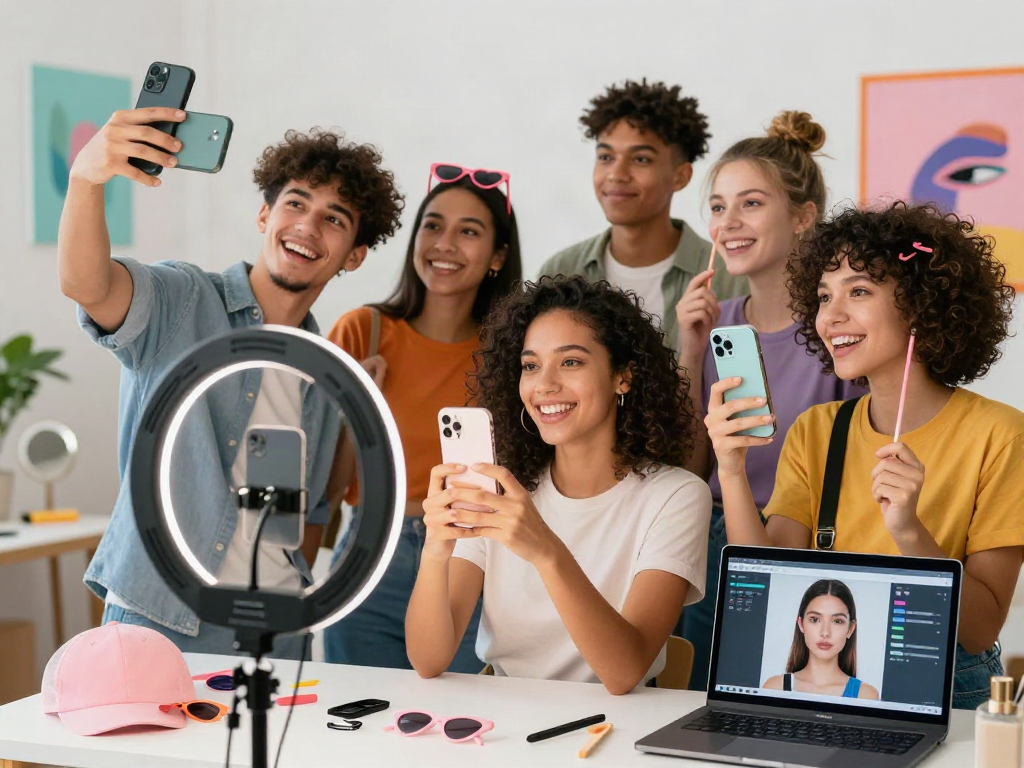
Introduction to the Attractive Test
In an era where self-image often shapes one’s social and professional landscape, the pursuit of understanding personal attractiveness has surged in popularity. Individuals increasingly turn to technology to gauge their appeal, leading to the rise of innovative tools such as the attractive test. These tests use advanced algorithms to assess facial features and provide insights into perceived beauty based on various standardized criteria. This article explores the intricacies of attractiveness testing, its historical context, and its importance in today’s society.
What is the Attractive Test?
The attractive test typically involves the use of artificial intelligence (AI) to evaluate a person’s facial features, symmetry, and proportions. Users upload a photograph, which is then analyzed to produce a score that indicates their attractiveness level. This score may derive from a combination of factors, including facial symmetry, skin quality, and various metrics related to beauty standards.
Historical Background of Attractiveness Assessment
Historically, societies have always had their standards of beauty, often reflected through art, literature, and cultural practices. From the ancient Greeks’ concept of the golden ratio to modern psychological studies on attractiveness, numerous frameworks have emerged to explore and quantify beauty. The transition from subjective human judgment to objective AI assessment marks a significant evolution in how attractiveness is understood and measured.
Importance of Understanding Attractiveness
Understanding attractiveness has implications beyond mere aesthetics. Research has shown that individuals deemed attractive often experience advantages in various life aspects, including career opportunities and social interactions. Moreover, having a clearer understanding of what constitutes beauty can help dispel unrealistic standards perpetuated by media and societal expectations, fostering a healthier self-image for individuals of all backgrounds.
How Attractive Tests Work
AI Technology Behind Facial Analysis
The backbone of attractiveness tests relies on AI technologies that utilize deep learning algorithms to analyze facial structures. These algorithms can identify key features by mapping points on the face, evaluating symmetry, and making comparisons against established beauty standards. By processing thousands of images, AI can derive a nuanced understanding of facial features and their interplay in determining attractiveness.
Common Metrics Used in Attractive Tests
Several metrics inform the scoring of attractiveness tests, including:
- Facial Symmetry: Symmetrical faces are often perceived as more attractive due to a sense of balance and harmony.
- Golden Ratio: This mathematical concept has been used historically to define beauty; ratios that align closely with this standard often receive higher scores.
- Canthal Tilt: The angle of the eyes can influence perceptions of beauty, with certain angles being more desirable.
- Skin Quality: Clear and even-toned skin contributes significantly to higher attractiveness ratings.
- Facial Proportions: Proportions between various facial features, such as the distance between the eyes and the mouth, play crucial roles in attractiveness analysis.
Interpreting Your Attractive Test Results
Receiving your attractiveness test results can be both exciting and daunting. Scores typically range from low to high, indicating where you stand in terms of the analyzed metrics. Additionally, many platforms provide personalized feedback, breaking down how each feature contributed to your overall score. This feedback can empower individuals to embrace their unique characteristics while identifying areas they might want to improve.
Benefits of Taking an Attractive Test
Enhancing Self-Confidence Through Feedback
One of the primary benefits of taking an attractive test is the potential boost to self-confidence. By understanding how various features contribute to overall attractiveness, individuals can gain a sense of pride in their appearance or clarity on areas they wish to enhance. This newfound confidence often translates into improved social interactions and personal satisfaction.
Understanding Beauty Standards and Preferences
Participating in these tests can also demystify the often-elusive standards of beauty. Users can gain insights into the cultural and societal preferences that influence perceptions of attractiveness. This knowledge can lead to a more informed and comfortable relationship with one’s own image and beauty ideals.
Using Results in Social Media Contexts
In a world dominated by social media, attractiveness tests can provide individuals with insights that align their self-presentation with prevailing beauty standards. By understanding their attractiveness score, users can tailor their online personas to reflect their best features, thereby enhancing their digital interactions.
Addressing Myths and Misconceptions
Separating Fact from Fiction in Facial Attractiveness
Despite the allure of attractiveness tests, several myths surround their validity. One prevalent misconception is that these tests offer definitive judgments on beauty. In reality, attractiveness is subjective and influenced by personal and cultural factors that algorithms may not fully capture.
Common Challenges in Attractiveness Judgments
Another challenge in attractiveness assessments lies in the inherent biases that can arise from algorithms. For instance, the reliance on specific beauty norms may overlook diverse standards across cultures and communities, leading to skewed results for certain individuals.
How Culture Influences Attractiveness Perceptions
Cultural influences play a pivotal role in shaping perceptions of attractiveness. What is considered beautiful in one culture may differ substantially from another. Understanding these cultural variances is crucial for interpreting attractiveness test results accurately and appreciating beauty in its myriad forms.
The Future of Attractiveness Testing
Emerging Trends in AI and Self-Assessment
As technology evolves, so too does the landscape of attractiveness testing. Future innovations may lead to more refined algorithms able to account for diverse beauty standards and offer more personalized insights. Furthermore, the integration of virtual reality could soon allow individuals to experience different beauty norms interactively.
Ethics and Privacy in Facial Analysis
With the rise of AI-driven attractiveness tests comes the crucial need for ethical considerations concerning privacy. Users must be informed about how their data is used and stored, as well as the potential implications of sharing their facial images online. Ensuring transparency and safeguarding user data will be paramount in the future of attractiveness testing.
Predictions for Attractiveness Testing in 2026 and Beyond
Looking ahead, it is likely that attractiveness testing will become integrated into various social platforms, potentially influencing everything from dating apps to fashion campaigns. As AI technology advances, these tools will provide more nuanced insights into attractiveness, aiding users in understanding and celebrating their unique features in an increasingly visual society.
What factors determine attractiveness in test results?
Factors determining attractiveness in test results typically include facial symmetry, skin quality, and key feature proportions based on historical beauty standards. These factors combine to create a holistic view of a person's perceived attractiveness.
Can attractiveness tests be misleading?
Yes, attractiveness tests can be misleading as they often rely on specific beauty norms that may not apply universally. Personal and cultural differences profoundly influence perceptions of beauty, which these tests might not fully encapsulate.
How do cultural differences affect attractiveness perceptions?
Cultural differences significantly impact how attractiveness is perceived. Characteristics considered attractive in one culture may be viewed differently in another. Factors such as skin tone, facial structure, and even style vary widely across societies and can influence outcomes in attractiveness testing.
Are there age restrictions for taking attractiveness tests?
Many online attractiveness tests do not impose strict age restrictions; however, parental consent may be required for minors. It is advisable to check the terms of service for individual platforms.
How reliable are AI facial analysis tools?
AI facial analysis tools can provide valuable insights but should be approached with caution. While they leverage complex algorithms to analyze features, the subjective nature of beauty means these results are not definitive. Users should consider them as one of many factors contributing to their self-image.