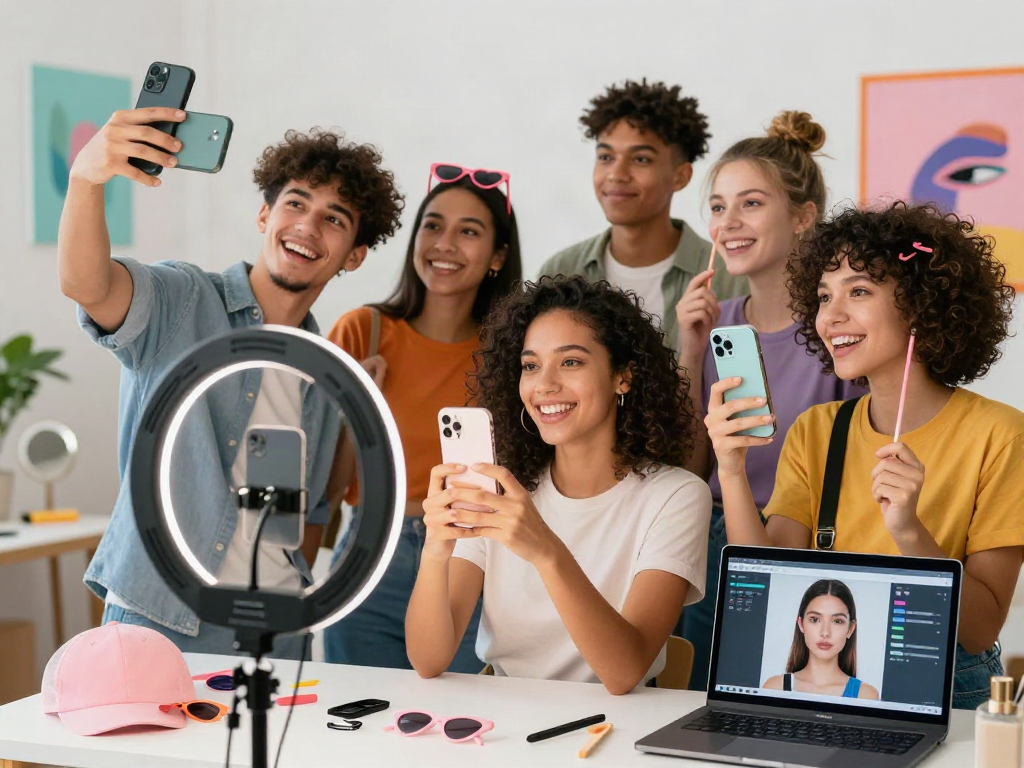
Understanding Facial Age Estimation Technology
As the quest for youthfulness continues to captivate society, the technology behind age estimation has rapidly evolved, leveraging artificial intelligence and machine learning. By analyzing facial features, various online tools now provide users with a profound insight into how old they look, which can be both entertaining and enlightening. These tools not only serve personal curiosity but also reflect broader trends in how age is perceived in our modern world. When exploring options, how old do i look offers comprehensive insights into your facial age through advanced AI algorithms.
What is Facial Age Estimation?
Facial age estimation refers to the process of predicting a person's biological age based on facial characteristics. This method employs complex algorithms trained on extensive datasets of images representing various ages. The goal is to determine how aged a person appears as opposed to their actual chronological age, creating a fascinating intersection of technology and human perception.
How Does the Technology Work?
The technology behind facial age estimation typically involves deep learning, a subset of machine learning. Models are trained on millions of facial images, allowing them to recognize patterns and features associated with different ages. Key factors analyzed include wrinkles, skin texture, and facial volume. By comparing these attributes against the data it has learned, the algorithm calculates an estimated age with surprising accuracy.
The Accuracy of Age Estimation Tools
While results can vary, many advanced age estimation tools claim to achieve accuracy levels of over 85%. However, factors such as lighting, angle, and image quality can affect outcomes. Additionally, as these tools are continuously refined, users can expect improvements in precision. It's essential to approach the results as fun insights rather than definitive answers, acknowledging the subjective nature of age perception.
The Psychology Behind Age Perception
Understanding why we seek to know how old we look reveals much about human psychology. The perception of age plays a crucial role in identity, self-esteem, and societal interactions. Exploring the psychological aspects can shed light on the implications of these tools beyond mere curiosity.
Why Do We Want to Know How Old We Look?
Many people harbor a natural curiosity about their appearance. This desire often stems from societal pressures and beauty standards that equate youth with attractiveness, vitality, and success. Age estimation tools allow individuals to engage with their self-image, sparking reflections on their aging process and how they compare to peers.
Social Implications of Perceived Age
Perceived age can significantly influence social interactions, professional opportunities, and personal relationships. Younger individuals may experience biases in various domains, while older individuals may find their experiences undervalued. The perception of age thus impacts self-esteem and confidence, making it a critical aspect of personal and professional identity.
Age and Identity: Exploring Self-Perception
The relationship between age and identity is complex. For some, looking younger can bring feelings of empowerment and confidence, while others may embrace signs of aging as symbols of wisdom and experience. This nuanced view reflects broader societal attitudes towards aging and personal validation.
Popular Tools for Age Estimation
With numerous applications available for age estimation, users can find various tools that cater to different preferences. From quick online calculators to sophisticated smartphone apps, understanding the landscape of these tools can help users choose the right one for their needs.
Comparing Online Age Guessing Apps
Popular age estimation platforms, such as FaceAge.ai and Fotor, allow users to upload photos and receive instant age predictions. Each tool may operate differently, utilizing unique algorithms for analysis, which can result in varying estimates. Considering these differences is crucial when interpreting results from different sources.
How to Choose the Right Tool for You
When selecting an age estimation tool, consider factors such as ease of use, privacy policies, and the technology behind the app. Users should prioritize tools that ensure data security and offer clear explanations of their methods. Additionally, personal preference regarding interface and design can enhance the overall experience.
User Experiences with Age Estimation Platforms
Feedback from users can provide valuable insights into the reliability and accuracy of these tools. Many users report a mix of amusement and surprise at the results, reflecting the entertaining aspect of using age estimation applications. Sharing experiences can help others find the best tool suited for their age estimation journey.
Real-Life Applications of Age Estimation
Beyond personal entertainment, age estimation tools have several practical applications, especially in beauty, skincare, and marketing. Understanding these use cases highlights the relevance of this technology in everyday life.
Using Age Estimation for Beauty and Skincare
In the beauty industry, age estimation can guide skincare choices and promote products tailored to various age groups. By understanding perceived age, individuals can select treatments or products that best match their skin type and concerns, leveraging technology for improved personal care.
Age Guessing in Social Media and Marketing
For brands, understanding target demographics and their perceived age is crucial for crafting effective marketing strategies. Utilizing age estimation can inform content creation, enabling brands to resonate with their intended audiences more personally. Social media platforms increasingly adopt these tools to enhance user engagement and improve marketing effectiveness.
Potential Misconceptions and Ethical Considerations
While age estimation tools can offer valuable insights, they also raise ethical questions. The potential for misuse in targeted advertising or in exacerbating age-related biases must be acknowledged. Brands and developers should approach these technologies responsibly, ensuring that they promote positive self-image rather than reinforce negative stereotypes.
Future Trends in Facial Age Estimation
As technology continues to advance, the future of facial age estimation appears promising. Emerging trends indicate exciting developments that could reshape how we perceive and interact with age estimation tools.
Advancements in AI and Machine Learning
The ongoing evolution of AI and machine learning will enhance the accuracy and efficiency of age estimation tools. Improved algorithms will likely reduce biases and increase the adaptability of these applications across different ethnicities and genders, providing a more inclusive approach to age assessment.
Emerging Consumer Trends in Age Estimation
As awareness of personal data privacy grows, consumers are becoming increasingly discerning about the tools they use. Future age estimation applications will need to prioritize user privacy, incorporating transparent data usage policies to build trust among users.
Looking Ahead: The Future of Age Estimation Technology
In conclusion, as technology evolves, the potential for facial age estimation will expand beyond simple curiosity. Its applications in personal beauty, social media marketing, and even health assessments could redefine how we approach aging gracefully. By staying informed and engaging responsibly with these tools, users can embrace the journey of aging while enhancing their self-perception.
What are age estimation tools?
Age estimation tools are applications or websites that analyze facial features through uploaded images to provide estimates of a person's perceived age. These tools utilize AI algorithms to predict biological age based on features such as wrinkles, skin texture, and more.
Is it accurate to determine how old I look by photo?
While many age estimation tools can provide surprisingly accurate estimates, several factors can influence results, including image quality, lighting conditions, and facial expressions. Therefore, users should view the results as estimates rather than certainties.
Can age estimation influence self-esteem?
Yes, knowing how old one looks can significantly impact self-esteem. It can foster a sense of empowerment or, conversely, trigger insecurities based on societal perceptions of aging. Engaging with these tools should be a mindful experience, appreciating the insights while recognizing the subjective nature of age.
How can I use facial age estimation for fun?
Using facial age estimation can be a playful activity, perfect for parties or casual gatherings. Friends can challenge each other to guess how old they look, creating a lighthearted atmosphere that fosters connection and laughter.
What should I know about privacy when using age apps?
When using age estimation tools, it's essential to review their privacy policies and understand how your data will be used. Choose apps that commit to maintaining user privacy, ensuring that images and information are not misused or shared without consent.