
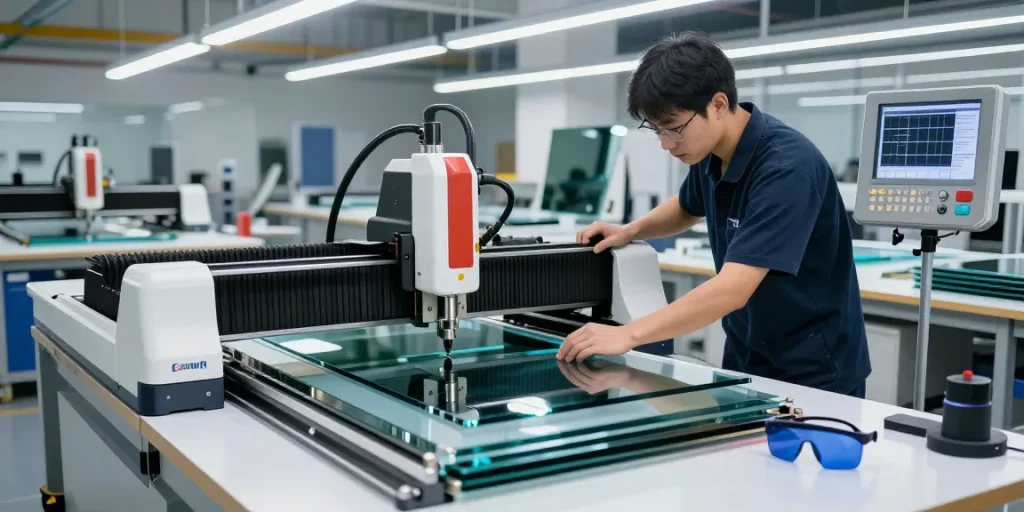
The Essentials of CNC Glass Cutting Machines
CNC (Computer Numerical Control) glass cutting machines represent a pivotal advancement in the glass processing industry. These machines utilize computer technology to streamline the cutting process, ensuring precision, efficiency, and consistency. As technology evolves, manufacturers are increasingly adopting CNC cutting solutions to enhance productivity and quality in glass production. When exploring options, cnc glass cutting machine offers comprehensive insights into the latest innovations and models available.
What is a CNC Glass Cutting Machine?
A CNC glass cutting machine is a highly automated tool that utilizes computer programming to control the cutting of glass sheets into specified shapes and sizes. These machines can handle various glass types, including float glass, laminated glass, and tempered glass, making them versatile for different applications. With the ability to execute complex geometric patterns and intricate designs, CNC glass cutters are an essential asset in modern glass manufacturing.
Key Components and Functions
Understanding the key components of CNC glass cutting machines is essential for optimal operation. The crucial components include:
- Controller: The brain of the machine, responsible for executing cutting commands based on programmed instructions.
- Cutting Head: Equipped with tools that score or cut through the glass.
- Worktable: The platform on which glass is placed for cutting, often featuring vacuum systems to hold glass in place.
- Drive System: Usually comprises linear motors or stepper motors for precise movement of the cutting head.
- Software: The software allows operators to input designs, control the cutting process, and monitor machine performance.
These components work together to ensure accuracy and reduce material waste, ultimately improving production efficiencies.
Benefits of Using CNC Technology in Glass Processing
CNC technology offers several significant advantages in the glass processing industry:
- Precision: CNC cutting machines can achieve high levels of accuracy, reducing the margin for error and enhancing the quality of finished products.
- Efficiency: Automated processes significantly increase production speeds and minimize manual labor. This is particularly beneficial for high-volume operations.
- Flexibility: CNC machines can be programmed to cut a variety of shapes and sizes, making it easy to respond to changing customer demands.
- Reduced Waste: The precision of CNC cutting minimizes material waste, as machines can be programmed to utilize glass sheets more efficiently.
Choosing the Right CNC Glass Cutting Machine
Selecting the appropriate CNC glass cutting machine is crucial for optimizing production capabilities. Several factors need consideration to ensure the chosen solution meets the specific needs of your glass processing operation.
Factors to Consider When Selecting a Machine
When evaluating CNC glass cutting machines, consider the following:
- Glass Type: Different machines may be suited for various types of glass, such as tempered or laminated glass. Ensure the machine aligns with your product offerings.
- Cutting Thickness: Check the maximum thickness the machine can handle, as this will determine the types of glass you can process.
- Automation Level: Some machines offer more automation features than others. Assess whether you need a fully automated system or a semi-automatic option.
- Software Compatibility: Ensure the machine’s software is compatible with your design requirements and provides ease of use for operators.
Understanding Different Models and Capabilities
Various models of CNC glass cutting machines exist, each offering unique capabilities. For instance:
- Standard CNC Cutters: Ideal for basic cutting tasks and suitable for small to medium-sized operations.
- Advanced CNC Cutters: Equipped with additional features like laser cutting and engraving capabilities, making them suitable for intricate designs.
- High-Volume Production Machines: Designed for large-scale operations, these machines often come with multiple cutting heads and high-speed capabilities.
Common Mistakes to Avoid in Equipment Selection
When choosing a CNC glass cutting machine, avoid these common pitfalls:
- Not assessing specific production needs before making a purchase.
- Ignoring after-sales support and service availability.
- Focusing solely on price without considering long-term operational costs and benefits.
Best Practices for Operating CNC Glass Cutting Machines
To maximize the lifespan and performance of CNC glass cutting machines, adhere to best operational practices.
Setup and Calibration Procedures
Proper setup and calibration are vital for achieving great results. Start by ensuring that the machine is installed on a level surface and is securely fastened. Regularly calibrate the machine’s cutting head and software parameters to maintain accuracy over time.
Safety Measures and Best Practices
Operating CNC glass cutting machines requires strict adherence to safety protocols. Ensure all operators wear appropriate personal protective equipment (PPE), such as gloves, goggles, and hearing protection. Additionally, establish clear safety procedures for handling glass and operating machinery.
Common Operational Challenges and Solutions
Challenges may arise during operation, including:
- Inconsistent cutting quality: Regular maintenance and recalibration can prevent this issue.
- Material wastage: Optimize cutting patterns and software settings to minimize waste.
- Downtime due to machine failures: Implement a routine maintenance schedule and invest in staff training to troubleshoot minor issues.
Future Trends in CNC Glass Cutting Technology
The glass processing industry is witnessing rapid evolution, largely driven by technological advancements in CNC cutting machines. Understanding these trends will help businesses stay competitive.
Innovations Shaping the Industry
Recent innovations include:
- Integration of Robotics: Robotic arms are being integrated into glass cutting systems to enhance precision and efficiency.
- Smart Technology: IoT-enabled machines are enabling real-time monitoring and predictive maintenance, reducing downtime.
Impact of Automation and AI on Glass Cutting
The integration of artificial intelligence (AI) is transforming the operational landscape. AI-driven systems can analyze cutting performance data to enhance machine efficiency and reduce operational costs. Automation not only speeds up production but also allows for constant quality checks throughout the process.
Environmental Considerations and Sustainability Practices
As sustainability becomes a priority, glass manufacturers are increasingly adopting eco-friendly practices. Innovations in CNC glass cutting machines contribute to waste reduction and energy efficiency. Manufacturers are urged to consider machines that utilize less energy and produce minimal waste.
Real-World Applications and Case Studies
CNC glass cutting machines have found applications across various sectors, showcasing their versatility and efficiency. Examining these uses can provide valuable insights.
Case Studies of Successful Implementations
Many companies have successfully integrated CNC glass cutting machines into their operations:
- Architectural Firms: They use CNC technology for creating intricate glass designs for buildings, enhancing aesthetic value.
- Automotive Industry: CNC glass cutting is used for precise windshield and window manufacturing, ensuring accuracy and quality.
Testimonials from Industry Leaders
Industry leaders have noted the transformative impact of CNC glass cutting technology on their operations. For instance, a leading glass manufacturer praised the efficiency gained through automation, stating it has reduced production costs by 30% while improving product quality.
Performance Metrics: Measuring Success in Glass Cutting Operations
Measuring the success of CNC glass cutting operations can be achieved through several performance metrics:
- Production throughput: Assessing the output rate of glass cut per hour.
- Accuracy levels: Evaluating the precision of cuts against design specifications.
- Waste reduction: Monitoring material waste generated during the cutting process.
What Makes CNC Glass Cutting Machines Optimal for Modern Factories?
CNC glass cutting machines are optimal due to their flexibility, efficiency, and ability to handle complex tasks. Their integration in factories supports high production demands while ensuring top-quality output, making them essential in contemporary glass manufacturing.
How to Maintain and Optimize the Performance of CNC Machines?
Regular maintenance is crucial for the longevity and optimal performance of CNC machines. This includes:
- Scheduled cleaning of the cutting heads and worktable.
- Regular software updates to enhance capabilities and security.
- Routine inspections for wear and tear on moving parts.
What are the Key Cost Factors for CNC Glass Cutting Machines?
The major cost factors involved in CNC glass cutting machines include:
- Initial purchase price: The cost varies significantly based on features and capabilities.
- Maintenance costs: Ongoing maintenance will impact total operational costs.
- Operational expenses: Energy consumption and labor costs to operate and maintain the machines.