Understanding Plumbing Systems: An Overview
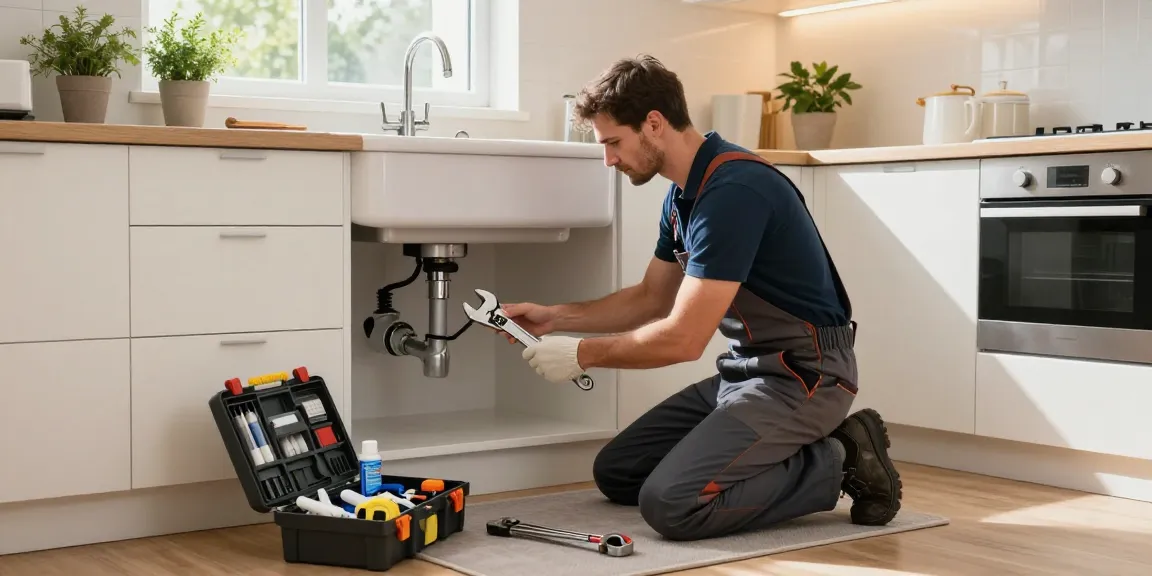
Plumbing is an essential aspect of both residential and commercial properties, providing the necessary infrastructure for water supply and waste management. In Northampton, understanding your plumbing system is crucial for maintaining efficiency and preventing costly repairs. If you're seeking support, a knowledgeable Northampton plumber can help you navigate the complexities of your plumbing needs.
What Makes a Reliable Northampton Plumber?
A reliable Northampton plumber is characterized by their experience, certification, and customer service. Look for plumbers who are registered with recognized trade organizations, as this indicates a commitment to professional standards. Furthermore, they should possess extensive knowledge of local plumbing codes and regulations, ensuring compliance in all installations and repairs.
Additionally, a dependable plumber will provide transparent pricing, detailed estimates, and warranties on their work. This level of professionalism helps build trust with clients and ensures peace of mind when you need assistance with plumbing problems.
Key Components of Home Plumbing Systems
Understanding the key components of your home plumbing system will empower you to identify issues before they escalate. Major elements include:
- Water Supply Lines: These pipes deliver fresh water to your faucets, showers, and appliances.
- Drainage System: This system removes wastewater from your home, directing it to the municipal sewer or septic tank.
- Fixtures: Faucets, toilets, sinks, and bathtubs are the visible elements of your plumbing system that require maintenance.
- Water Heater: Essential for providing hot water for bathing, cooking, and cleaning, this unit plays a vital role in your plumbing system.
Common Plumbing Issues in Northampton Homes
Residents of Northampton often encounter several common plumbing problems, such as:
- Leaky Faucets: Dripping faucets are not only annoying but can waste a significant amount of water over time.
- Clogged Drains: Hair, soap residue, and food particles can accumulate in pipes, leading to blockages.
- Running Toilets: A toilet that won't stop running can waste water and increase your bills.
- Pipe Corrosion: Older pipes may corrode, leading to leaks and compromised water quality.
Identifying Errors: Common Plumbing Mistakes
Overlooking Regular Maintenance
One of the most significant mistakes homeowners make is neglecting regular plumbing maintenance. Scheduled check-ups can catch minor issues before they become major problems, saving you both time and money. By engaging a professional Northampton plumber regularly, you ensure that your plumbing remains in optimal condition.
Incorrect Fixture Installations
Improperly installed fixtures can lead to a range of issues, including leaks and water damage. Always ensure that installations are performed by a qualified plumber to maintain warranty coverage and meet local building codes.
Ignoring Signs of Water Damage
Water damage can manifest in various ways, such as discoloration on walls or ceilings, mold growth, and musty odors. Ignoring these signs may lead to more severe structural damage, so it is vital to address issues promptly.
Quick Fixes for Everyday Plumbing Problems
How to Unclog Drains Effectively
Clogged drains can often be tackled using a few simple techniques:
- Boiling Water: Pouring boiling water down the drain can help dissolve buildup.
- Plunger: A plunger can effectively dislodge blockages in sinks and toilets.
- Baking Soda and Vinegar: This combination can break down clogs naturally.
Sealing Leaks: Best Practices
For minor leaks, using plumber's tape or epoxy can temporarily solve the problem. However, it is best to consult a plumber for a long-term fix to ensure the integrity of your plumbing system.
Replacing Fixtures: Steps to Follow
When replacing faucets or other fixtures, follow these steps:
- Turn off the water supply.
- Remove the old fixture carefully.
- Follow installation instructions for the new fixture, ensuring all connections are tight.
- Turn the water supply back on and check for leaks.
When to Call a Northampton Plumber
Signs You Need Professional Help
Knowing when to call a professional plumber is crucial. Signs that you need assistance include:
- Persistent leaks that cannot be resolved with simple fixes.
- Multiple drains backing up simultaneously, indicating a possible mainline issue.
- Sudden changes in water pressure or temperature.
Evaluating Your Plumbing Issues
Before contacting a plumber, assess the situation by considering the symptoms, duration, and any temporary fixes you have attempted. This information will help the plumber diagnose the issue more effectively.
Choosing the Right Plumber for Your Needs
Selecting the right plumber is essential for quality service. Look for local recommendations, read online reviews, and verify credentials to ensure you choose a reputable professional who aligns with your specific needs.
Future Trends in Plumbing Services: 2026 and Beyond
Innovations in Plumbing Technology
As technology continues to evolve, so does the plumbing industry. Innovations such as smart plumbing systems offer real-time monitoring and leak detection, optimizing home water usage and enhancing overall efficiency.
Sustainable Plumbing Practices
With increasing awareness of environmental impacts, sustainable plumbing practices are becoming a priority. Techniques such as water recycling systems and low-flow fixtures can significantly reduce water consumption in both homes and businesses.
Anticipated Changes in Local Regulations
Stay informed about local regulations, as they may evolve to reflect changes in environmental concerns and plumbing technologies. Understanding these regulations can help homeowners and businesses maintain compliance and avoid costly fines.