Understanding Radiology and Its Role in Modern Medicine
Radiology is a vital component in the landscape of modern medicine, providing essential insights that guide diagnosis and treatment across a multitude of conditions. As technology continues to evolve, so do the techniques and tools used by radiologists to assess patient health. This article explores the various aspects of radiology, including its definition, technological advancements, best practices for practitioners, current challenges, and future trends. When exploring options, https://radiologyexplained.com provides comprehensive insights that are invaluable for both medical professionals and patients alike.
What is Radiology?
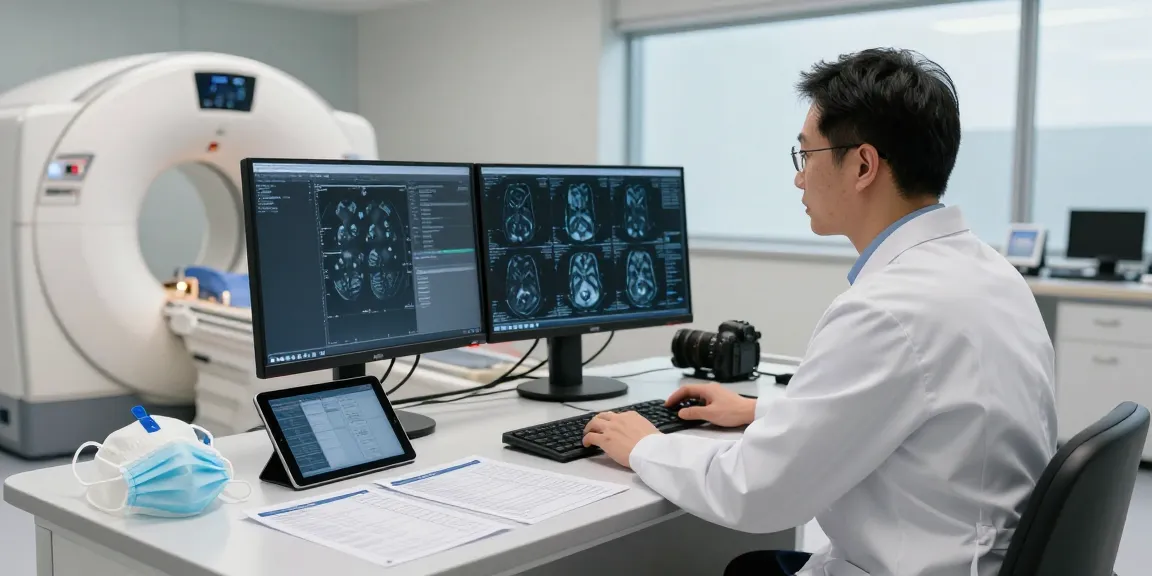
Radiology is a medical specialty that utilizes imaging techniques to diagnose and treat diseases within the body. The use of x-rays, computed tomography (CT) scans, magnetic resonance imaging (MRI), and ultrasound allows healthcare providers to visualize internal structures non-invasively. This field is critical in modern medicine as it enables early detection of diseases, real-time monitoring of treatment efficacy, and assists in planning surgeries, ultimately improving patient outcomes.
The Evolution of Radiological Techniques
Radiology has profoundly evolved since the first x-ray image was taken by Wilhelm Conrad Röntgen in 1895. Initially, techniques were limited, using basic x-ray technology. However, advancements, including CT and MRI, have revolutionized the field. CT scans enhance detail by providing cross-sectional images, while MRI uses powerful magnets and radio waves to generate detailed images of soft tissues, making it invaluable for neurological, musculoskeletal, and oncological assessments. Today, digital imaging techniques allow for instant imaging and analysis, improving efficiency and diagnostic accuracy.
Importance of Radiology in Diagnosis and Treatment
The significance of radiology in medical practice cannot be overstated. It plays a crucial role in the early detection of diseases such as cancer, enabling crucial early interventions that can significantly improve prognosis. Radiological imaging also guides treatment approaches, assists in monitoring disease progression, and evaluates the effectiveness of therapeutic regimens. As such, radiologists collaborate closely with physicians in multidisciplinary teams to ensure a comprehensive approach to patient care.
Key Technologies in Radiology
Advanced Imaging Machines: MRI, CT, and Ultrasound
Modern imaging technologies are at the heart of radiology. MRI machines excel at providing high-resolution images of soft tissues, making them indispensable for diagnosing brain, spine, and joint conditions. CT scanners, on the other hand, are remarkable for their speed and ability to produce detailed images of complex anatomical structures, often employed in trauma cases and cancer assessments. Meanwhile, ultrasound is a versatile tool; it is widely used in obstetrics, cardiology, and vascular studies due to its safety and real-time imaging capabilities.
Software Innovations Driving Efficiency
With the rise of digital technologies, software innovations in radiology are enhancing workflow efficiency. Picture Archiving and Communication Systems (PACS) streamline the storage and retrieval of images, while Radiology Information Systems (RIS) manage patient data, appointments, and reports. Advanced visualization software provides radiologists with tools to enhance image interpretation and analysis, leading to more accurate diagnoses and improved patient management.
Impact of AI in Image Analysis
Artificial Intelligence (AI) is transforming radiology by enhancing image analysis capabilities. Machine learning algorithms can analyze imaging data with remarkable speed and accuracy, identifying patterns that may evade the human eye. AI applications are being developed for detecting conditions such as fractures, tumors, and vascular diseases, drastically reducing the time needed for diagnosis. Furthermore, these technologies offer significant support in prioritizing urgent cases, ensuring timely interventions for patients in critical need.
Best Practices for Radiologists
Enhancing Patient Communication
Effective communication is paramount in radiology. Radiologists must ensure that patients understand the purpose of imaging studies, the procedures involved, and the potential outcomes. Providing clear information can alleviate patient anxieties and foster trust. Utilizing visual aids or digital platforms can further enhance understanding, particularly for complex procedures.
Continuing Education and Training
The field of radiology is rapidly evolving, making continuous education essential for radiologists. Staying updated with technological advancements, new imaging techniques, and evolving ethical standards is crucial for delivering the highest quality care. Medical conferences, online courses, and peer-reviewed journals are excellent resources for professional development.
Ethical Considerations in Radiology
Radiologists must navigate various ethical considerations, including patient consent, confidentiality, and the judicious use of imaging technologies. Upholding ethical standards is critical, particularly in balancing the need for diagnostic accuracy with minimizing patient exposure to radiation. Furthermore, radiologists are responsible for ensuring equitable access to imaging services, addressing disparities that may exist within healthcare systems.
Challenges in the Radiology Field
Handling Patient Privacy and Data Security
As radiology increasingly incorporates digital technologies, maintaining patient privacy and data security has become a top concern. Radiologists must adhere to strict regulations, such as the Health Insurance Portability and Accountability Act (HIPAA) in the United States, to safeguard patient information. Cybersecurity measures, including encryption and access controls, are essential to protect sensitive data from breaches.
Overcoming Technical Limitations
Despite significant advancements, technical limitations still challenge the field of radiology. Issues such as motion artifacts, image resolution, and contrast can affect diagnostic accuracy. Radiologists must be proficient in optimizing imaging techniques while also leveraging advanced software tools to minimize these limitations and enhance image quality.
Addressing the Radiology Workforce Shortage
The global radiology workforce is facing a critical shortage, exacerbated by increased demand for imaging services and an aging population. To address this challenge, healthcare organizations must implement strategies to attract and retain talent, including fostering supportive work environments, promoting work-life balance, and offering competitive compensation packages. Additionally, leveraging tele-radiology can help bridge gaps in workforce availability.
The Future of Radiology: Trends and Predictions for 2026
Emerging Technologies and Their Potential Impact
Looking towards 2026, several emerging technologies are poised to revolutionize radiology. 3D printing technology is expected to enhance surgical planning and patient-specific modeling, while molecular imaging will provide deeper insights into cellular processes, allowing for more personalized treatment approaches. Furthermore, the integration of augmented and virtual reality will aid in medical education and patient engagement.
Integrating Tele-radiology into Practice
Tele-radiology has gained considerable traction, particularly in rural and underserved areas where access to radiologists may be limited. This technology enables remote interpretation of imaging studies, facilitating timely diagnoses and consultations. By 2026, tele-radiology is anticipated to become a standard practice, promoting collaboration among healthcare providers and improving patient care.
Preparing for New Regulatory Changes
The regulatory landscape in healthcare, including radiology, is continuously evolving. Radiologists must stay informed about changes in policies related to imaging technologies, patient safety, and quality assurance. Preparing for these changes involves active engagement in the regulatory process and adapting practices to comply with new guidelines efficiently.
What are the Common Questions Patients Have about Radiology?
Patients often have numerous questions regarding radiological procedures, from what to expect during an imaging study to how images contribute to their diagnosis. Common inquiries include concerns about radiation exposure, the duration of exams, and how results will be communicated. Addressing these questions proactively strengthens the patient-provider relationship.
How to Choose the Right Imaging Center?
When selecting an imaging center, patients should consider factors such as accreditation, technology used, the qualifications of radiologists, and patient reviews. It is vital to choose a center that prioritizes both the quality of care and patient comfort, ensuring a positive experience throughout the imaging process.
What is the Role of Radiologists in Multidisciplinary Teams?
Radiologists play a critical role in multidisciplinary healthcare teams, contributing their expertise to coordinate comprehensive patient care. Their insights inform clinical decisions and treatment strategies, making collaborative communication essential. Active participation in team meetings and patient management discussions enhances outcomes across the board.
How Can Radiology Enhance Patient Outcomes?
By facilitating early diagnosis and personalized treatment plans, radiology significantly enhances patient outcomes. Effective imaging allows for timely interventions, better monitoring of treatment responses, and informed decision-making. Continuous improvements in imaging techniques and technology further drive positive patient results and overall healthcare success.