Understanding Smart Locks: What Makes Them Essential?
In today's fast-paced world, where security and convenience are paramount, smart locks offer a revolutionary way to protect your home. Gone are the days when keys were the only means of entry; now, technology allows for keyless access, remote monitoring, and enhanced security features. This shift towards smart home technology not only simplifies life but also amplifies the strength of your home security. As you explore options, خرید قفل هوشمند can give you comprehensive insights into the best solutions available.
What is a Smart Lock?
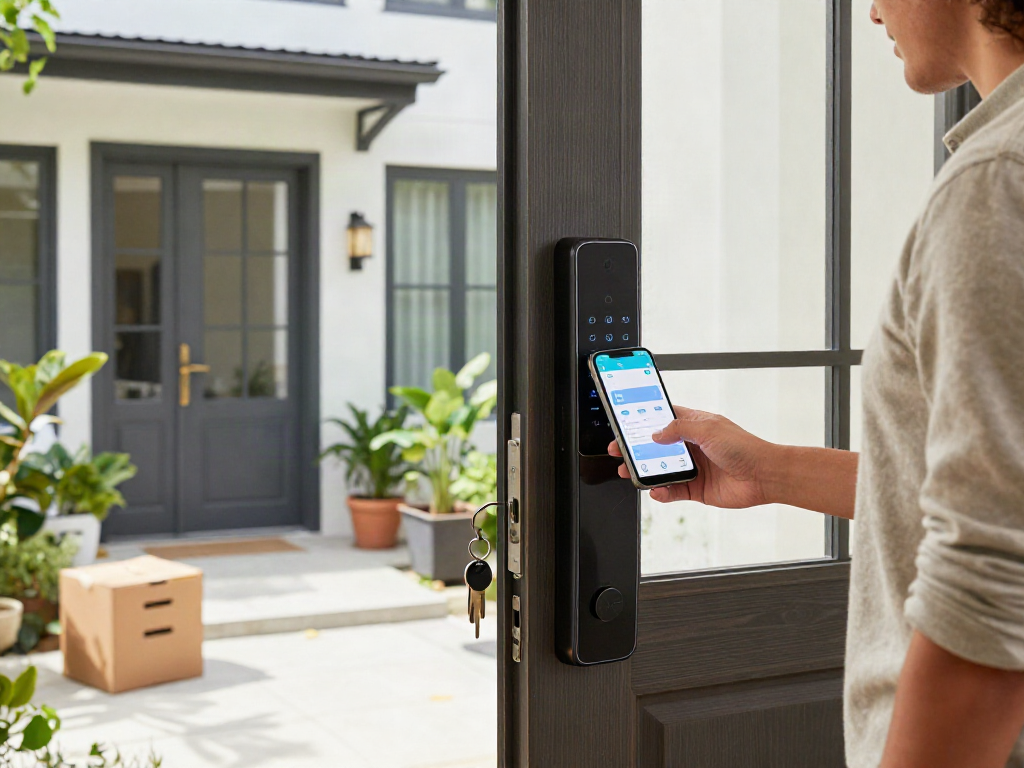
A smart lock is an electronic locking device that allows you to lock and unlock your door without a traditional key. Instead, it relies on various technologies such as Bluetooth, Wi-Fi, and smartphone apps. Smart locks can be operated through your smartphone or other connected devices, providing an effortless and secure way to manage access to your home. These locks often include features like keyless entry, remote access, and customizable security settings, making them an attractive choice for modern homeowners.
Benefits of Upgrading to Smart Locks
- Enhanced Security: Smart locks come with advanced encryption and authentication methods, making unauthorized access more difficult.
- Convenience: No more fumbling for keys; you can access your home using your smartphone, passcodes, or biometric data.
- Remote Access: Control your lock from anywhere in the world, allowing you to grant access to guests or service providers even when you're away.
- Activity Monitoring: Receive notifications and logs about who enters and exits your home, providing peace of mind.
- Integration with Smart Home Systems: Smart locks can integrate seamlessly with other devices, enhancing your entire home automation experience.
Common Misconceptions about Smart Locks
Despite their growing popularity, misconceptions about smart locks still persist. Many people believe that smart locks are easily hackable, but reputable brands implement robust security protocols that protect against cyber threats. Others think they are too complicated to install or use; however, most smart locks are designed for straightforward installation and user-friendly interfaces. Understanding these misconceptions can help homeowners make informed decisions about their security options.
Choosing the Right Smart Lock for Your Home
When selecting a smart lock, it's crucial to understand your specific needs and preferences. Not all smart locks are created equal; they come with a variety of features that can cater to different lifestyles and security requirements. Here are some key factors to consider when buying a smart lock.
Factors to Consider When Buying a Smart Lock
- Security Features: Look for locks with high-security ratings, encryption technology, and features like two-factor authentication.
- Connectivity: Choose between Bluetooth, Wi-Fi, or Z-Wave compatibility based on your smart home ecosystem.
- Power Source: Battery-operated locks offer convenience, but consider models that have backup power options like key access.
- Ease of Use: Ensure the lock has an intuitive app that allows you to manage access easily.
- Design and Compatibility: Ensure the smart lock fits your door type and matches your home’s aesthetic.
Top Smart Lock Brands of 2026
As technology continues to evolve, several brands have emerged as leaders in the smart lock market. Here are a few that stand out in 2026:
- Yale: Known for its durability and extensive features, Yale smart locks integrate seamlessly with numerous smart home systems.
- August: Offers innovative features like DoorSense that alerts you if your door is secure.
- Kwikset: Renowned for its simplicity and affordability, with models featuring SmartKey technology for easy rekeying.
- Schlage: Delivers robust security and a variety of models to suit different door types and preferences.
Comparing Features: Keyless Entry vs. Traditional Locks
Choosing between a keyless entry lock and a traditional lock involves understanding the practical differences between them. Keyless entry systems are convenient, eliminating the need for physical keys and allowing for remote access and monitoring. In contrast, traditional locks, while reliable, require physical keys and do not provide the same level of connectivity and control. Evaluating these differences can help you determine which option aligns best with your lifestyle.
Installation and Setup of Your Smart Lock
Installing a smart lock can be a straightforward process if you follow a few simple steps. However, being aware of common pitfalls can also save you time and frustration.
Step-by-Step Guide to Installing a Smart Lock
- Remove the Old Lock: Unscrew and take out your existing deadbolt or door knob.
- Prepare the Door: Ensure the door is clean and the surface is ready for the new lock installation.
- Install the Smart Lock: Follow the manufacturer's instructions to fit the smart lock onto the door.
- Connect to Power: Insert batteries or connect to the power source as per the instructions.
- Configure the App: Download the relevant app, create an account, and follow prompts to connect your lock.
Common Installation Issues and How to Fix Them
During installation, you may encounter issues like misalignment or difficulty in connecting to Wi-Fi. To resolve these:
- Ensure your door is aligned properly with the frame.
- Confirm that your Wi-Fi signal is strong in the area of the lock.
- Follow troubleshooting steps in the user manual for any specific connection issues.
Integrating Your Smart Lock with Other Smart Home Devices
Modern smart locks can be integrated with other smart home devices, enhancing their functionality. By linking your locks to smart doorbells, cameras, and home assistants, you can create a more interconnected security system. This integration allows for automated routines, such as locking your doors when you leave home or receiving alerts when someone enters your home.
Maintaining Your Smart Lock: Best Practices
To ensure that your smart lock remains effective and secure, regular maintenance is crucial. Here are some tips to help maintain your smart lock.
Regular Maintenance Tips for Longevity
- Periodically check and replace batteries before they die to avoid lockouts.
- Keep the lock clean, especially around the keypad and sensors.
- Inspect and tighten screws and parts to ensure stability.
How to Troubleshoot Common Issues
Common problems include connectivity issues, battery failure, and operational glitches. For connectivity issues, ensure your lock is within range of your router. If the lock fails to operate, try resetting it according to the manufacturer's instructions. Regular updates of the lock's firmware can also resolve many technical issues.
Updating Firmware and Security Features
Most smart locks require firmware updates to maintain security and functionality. Regularly check the app for notifications about updates and follow the instructions to complete them promptly. Keeping your smart lock updated is vital to protect against vulnerabilities and ensure optimal performance.
The Future of Smart Locks in Home Security
As technology advances, the future of smart locks looks promising, with innovations expected to enhance their security and usability significantly.
Emerging Trends in Home Security Technology
Emerging trends include biometric technology, which allows for fingerprint recognition, and the integration of artificial intelligence (AI) to learn patterns and enhance security measures. Additionally, smart locks are expected to utilize blockchain technology for increased security and verification processes.
Predictions for Smart Lock Innovations by 2026
By 2026, smart locks will likely feature improved AI capabilities for predictive security, seamless integration with all smart devices, and advanced user interfaces for better control. The focus will shift toward enhancing user experience while ensuring that security remains uncompromised.
How to Prepare for Future Advancements in Smart Locks
To prepare for advancements, staying informed about the latest technology trends and updates regarding your current smart lock model is crucial. Consider locks that allow for easy upgrades and integration with future technologies, ensuring longevity and security.
What are the benefits of smart locks for short-term rentals?
Smart locks offer tremendous advantages for short-term rentals, such as keyless entry for guests, automated access codes, and remote management of guest entry. This not only improves the guest experience but also provides peace of mind for property owners.
How do smart locks enhance home security?
Smart locks enhance home security through features like real-time alerts, access logs, and advanced authentication methods. Their integration with surveillance systems allows for comprehensive security monitoring.
Can I use a smart lock with my existing deadbolt?
Many smart locks can be used with existing deadbolts, provided they are compatible. Some models are designed specifically to retrofit onto a standard deadbolt, making them versatile solutions for upgrading security.
Are smart locks compatible with home security systems?
Yes, most smart locks are compatible with leading home security systems. Integration allows you to manage all security features through a single app, streamlining your security management.
What happens if the battery of a smart lock dies?
When a smart lock's battery dies, users typically can still access the lock using a physical key or through emergency power methods provided by the manufacturer, ensuring continued access even in emergencies.