
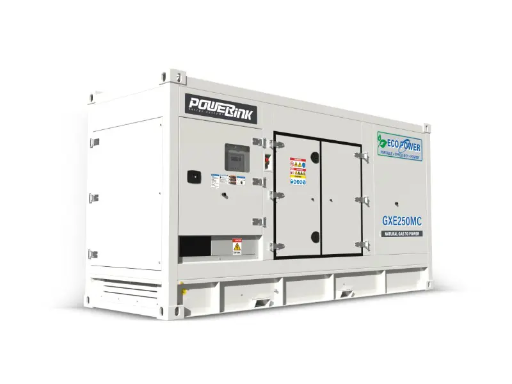
Energy efficiency has become a major focus for industries, businesses, and communities as they look for better ways to reduce costs and improve sustainability. Traditional electricity generation methods often waste a large amount of energy because excess heat produced during the process is released into the environment.
Combined Heat and Power (CHP) systems provide a smarter solution by producing electricity and useful heat at the same time. By capturing and utilizing energy that would otherwise be lost, biogas CHP technology can significantly improve overall efficiency and help organizations achieve better energy management.
Understanding CHP Systems
Combined Heat and Power, also known as cogeneration, is an advanced energy generation method that produces both electrical power and thermal energy from a single fuel source.
In conventional power generation, fuel is burned to create electricity, but much of the heat energy is wasted. CHP systems recover this heat and use it for heating applications, hot water production, or industrial processes.
This combined approach allows facilities to gain more useful energy from the same amount of fuel, resulting in efficiency levels that can reach up to 90%.
How CHP Systems Improve Energy Efficiency
The main advantage of CHP technology is its ability to maximize fuel utilization. Instead of using separate systems for electricity and heating, CHP integrates both energy needs into one efficient system.
The process involves:
- Using fuel to generate electricity
- Recovering heat from the generation process
- Converting recovered heat into useful thermal energy
- Reducing overall fuel consumption
This approach minimizes energy waste and improves the performance of the entire power system.
The Role of Biogas CHP Systems
Renewable energy sources are becoming increasingly important as industries search for cleaner power solutions. Biogas CHP systems combine CHP technology with renewable biogas fuel to create an efficient and sustainable energy solution.
Biogas is produced from organic materials such as agricultural waste, food waste, and wastewater. Instead of allowing this waste to release harmful gases into the atmosphere, it can be captured and converted into useful energy.
A biogas CHP system uses this renewable fuel to generate electricity while recovering heat for additional applications.
Benefits of Biogas CHP Technology
Higher Energy Efficiency
One of the biggest advantages of biogas CHP is improved energy utilization. The system captures heat that would normally be wasted and turns it into useful energy.
This allows businesses and facilities to achieve higher efficiency while reducing fuel requirements.
Renewable Energy Generation
Unlike traditional fuel sources, biogas comes from naturally available organic materials. Using biogas CHP technology supports renewable energy development and helps organizations reduce their environmental impact.
It also provides a practical way to transform waste into a valuable energy resource.
Lower Operating Costs
Energy expenses can represent a major portion of business costs. CHP systems help reduce these expenses by producing electricity and heat from the same fuel source.
With better fuel efficiency and reduced energy waste, organizations can achieve long-term savings.
How Biogas Generators Support CHP Systems
Biogas generators play an important role in renewable energy projects by converting biogas into electrical power. When integrated with CHP technology, these systems become even more efficient.
Modern biogas generators produce electricity while allowing the recovery of heat from the engine operation. This recovered heat can be used for:
- Heating buildings
- Industrial processes
- Water heating
- Agricultural applications
This makes biogas generators a valuable solution for facilities that need both electricity and thermal energy.
Industries That Benefit from CHP Systems
CHP technology is suitable for many industries that require continuous power and heat, including:
Manufacturing Facilities
Manufacturing plants often require electricity for machinery and heat for production processes. CHP systems help these facilities improve efficiency and reduce energy waste.
Agriculture Sector
Farms can benefit from biogas CHP systems by using agricultural waste to produce renewable energy. This creates a sustainable cycle where waste materials become a source of power.
Food Processing Industry
Food processing facilities require large amounts of electricity and heat. CHP systems help meet these demands while improving energy efficiency.
Healthcare Facilities
Hospitals need reliable electricity and heating solutions. CHP technology provides stable power while supporting essential energy requirements.
Environmental Advantages of CHP Systems
Improving energy efficiency also helps reduce environmental impact. Since CHP systems use fuel more effectively, they require fewer resources to produce the same amount of useful energy.
Biogas-based CHP solutions provide additional environmental benefits by:
- Reducing organic waste
- Lowering emissions
- Supporting renewable energy goals
- Improving resource efficiency
These advantages make CHP an important technology for sustainable energy strategies.
Factors to Consider Before Installing CHP Systems
Before investing in CHP technology, organizations should evaluate several factors, including:
- Energy requirements
- Heat demand
- Fuel availability
- System capacity
- Maintenance requirements
- Long-term operational goals
A properly designed CHP system ensures maximum efficiency and financial benefits.
The Future of CHP Energy Solutions
As energy demands continue to increase, CHP systems will play a growing role in modern power generation. Their ability to improve efficiency, reduce waste, and integrate renewable fuels makes them suitable for future energy needs.
With the advancement of biogas CHP technology and improved biogas generators, organizations can move toward cleaner and more efficient energy solutions.
Conclusion
CHP systems increase energy efficiency by producing electricity and useful heat from the same fuel source. By recovering wasted heat and improving fuel utilization, these systems can achieve efficiency levels of up to 90%.
With solutions such as biogas CHP and advanced biogas generators, businesses and industries can reduce energy costs, improve reliability, and support a more sustainable energy future.