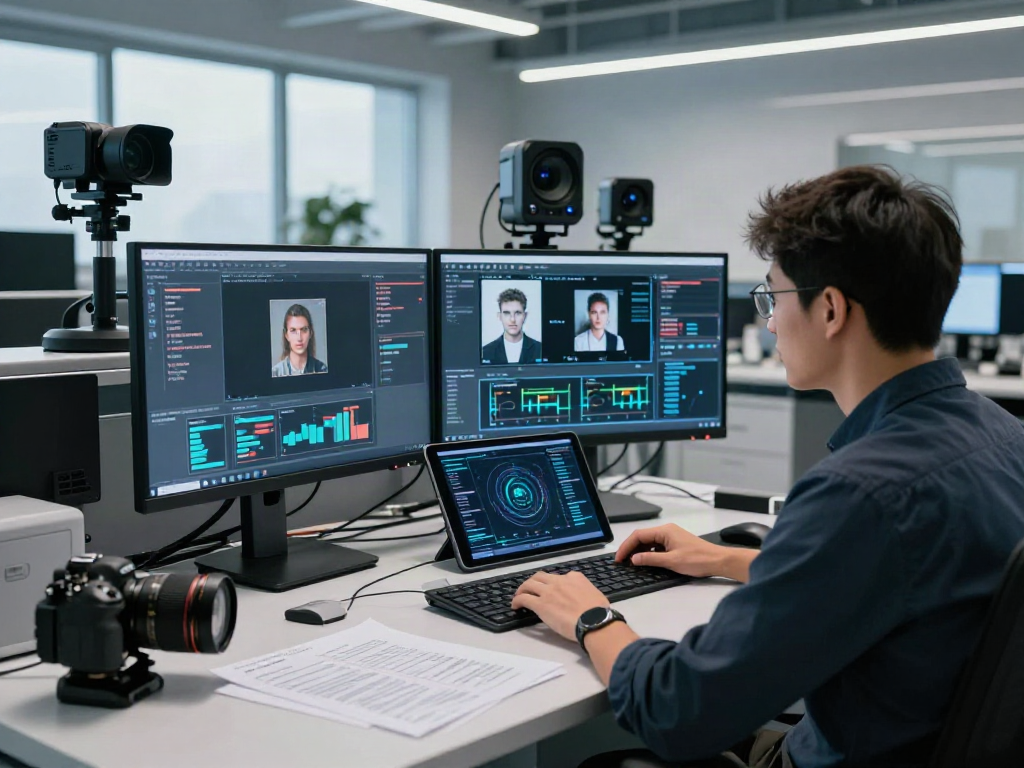
Understanding AI Image Detection Technology
AI Image Detection is an innovative technology that has rapidly evolved, driven by advancements in machine learning and artificial intelligence. With the increasing prevalence of AI-generated content, the need for reliable detection tools has become paramount. This technology not only assists in verifying the authenticity of images but also aids in combating the spread of misinformation. When exploring options, AI Image Detection systems offer comprehensive insights into distinguishing between human-generated and AI-generated visuals. Understanding how AI Image Detection works is essential for various sectors, including journalism, marketing, and cybersecurity.
What is AI Image Detection?
AI Image Detection refers to the processes and techniques used to identify whether images have been generated or significantly altered by artificial intelligence. This technology leverages complex algorithms to analyze visual data, determine authenticity, and provide insights into the origins of images. It plays a critical role in several fields, from verifying news content to ensuring the integrity of visual data in legal contexts.
How AI Image Detection Works: The Science Behind It
At the core of AI Image Detection is a combination of neural networks and machine learning models. These systems are trained on vast datasets of both AI-generated and real images to learn distinguishing features. The detection process involves:
- Feature Extraction: The system analyzes various attributes such as color distribution, noise patterns, and pixel-level inconsistencies.
- Classification: Based on the extracted features, the system classifies images into categories, determining whether they are likely AI-generated or authentic.
- Continuous Learning: AI models continually learn from new data, improving accuracy over time and adapting to the evolving landscape of image generation technologies.
Key Technologies in AI Image Detection Systems
Several technologies and methodologies power AI Image Detection systems. Key components include:
- Convolutional Neural Networks (CNNs): These deep learning architectures specialize in processing grid-like data, such as images, making them ideal for detection tasks.
- Generative Adversarial Networks (GANs): Understanding GANs is crucial as they are often used to create hyper-realistic images. Detection systems must be able to identify features that signal GAN usage.
- Image Forensics: Techniques from image forensics, such as examining metadata and pixel-level analysis, contribute to detecting manipulation and authenticity.
Challenges in AI Image Detection
Common Misconceptions About AI Image Detection
Despite its advancements, misconceptions persist about AI Image Detection. One prevailing myth is that all detection tools are infallible. In reality, the accuracy of these systems can vary significantly based on the algorithms and training data quality. Additionally, some users believe that AI detection tools are only necessary for high-stakes scenarios, while in truth, they are becoming increasingly relevant across all digital platforms.
Technical Limitations and Obstacles
AI Image Detection systems face several technical challenges:
- Adversarial Attacks: Malicious agents can manipulate images specifically to bypass detection algorithms, leading to sophisticated attacks.
- Data Bias: If the training dataset lacks diversity, the system may perform poorly in detecting images outside its training scope.
- Real-Time Processing: The need for instantaneous detection can strain system capabilities, especially in high-traffic environments like social media.
Mitigating False Positives and Negatives
Achieving a balance between sensitivity and specificity is a significant challenge. To mitigate false positives (incorrectly classifying real images as AI-generated) and false negatives (failing to identify AI-generated images), developers can:
- Utilize ensemble models that combine multiple detection algorithms for improved accuracy.
- Regularly update training datasets to include the latest AI-generated content.
- Implement user feedback mechanisms to refine detection algorithms continually.
Best Practices for Implementing AI Image Detection
Choosing the Right Tools and Software
Selecting the appropriate AI Image Detection tool is crucial for effective deployment. Organizations should assess their specific needs, the types of images they need to analyze, and the required accuracy level. Comparing various tools based on features, user reviews, and performance metrics can guide decision-making.
Integrating AI Image Detection into Existing Workflows
Successful integration of AI Image Detection requires careful planning. Stakeholders should:
- Conduct a thorough assessment of current workflows to identify areas where detection can provide value.
- Pilot new tools with a small dataset before full-scale implementation to evaluate performance and fit.
- Train staff on how to utilize detection tools effectively and interpret results accurately.
Testing and Validating Detection Accuracy
Regular testing and validation of detection tools are essential to maintain accuracy. Organizations can implement:
- Benchmarking against established datasets to measure detection performance.
- Cross-validation techniques to ensure robustness across different image types.
- Continuous monitoring to adapt to emerging AI technologies and tactics.
Real-World Applications of AI Image Detection
AI Image Detection in Journalism and Media
In the fast-paced world of journalism, the need for reliable image verification has never been greater. AI Image Detection tools help journalists verify sources and ensure that images used in reporting are authentic, thereby maintaining credibility and trustworthiness.
Applications in E-Commerce and Marketing
E-commerce brands utilize AI Image Detection to verify product authenticity and prevent the sale of counterfeit goods. By analyzing product images, brands can safeguard their reputation and improve consumer trust.
Future Uses in Social Media and Content Verification
As social media continues to proliferate, the role of AI Image Detection in moderating content will become increasingly vital. These systems will help platforms identify and remove misleading or harmful images, promoting safer online interactions.
Future Trends and Predictions for AI Image Detection
The Evolution of AI Image Detection Techniques
Looking ahead, AI Image Detection techniques will continue to evolve. Emerging models will likely leverage advances in computer vision, enabling more accurate and efficient detection. Hybrid models combining different detection approaches may become the norm, enhancing reliability.
Regulatory Impacts on AI Image Detection Technology
As concerns over misinformation rise, regulatory bodies may impose stricter guidelines on the use of AI Image Detection. This landscape will require organizations to adapt to comply with new regulations while maintaining ethical standards in their practices.
Looking Ahead: The Role of AI Image Detection in 2026 and Beyond
By 2026, AI Image Detection will likely become a standard component of digital content management. Increased automation and integration of detection systems in various workflows will enhance operational efficiencies and uphold content integrity.
What are the benefits of AI Image Detection?
The benefits of AI Image Detection are manifold. It enhances trust in digital content, reduces the spread of misinformation, and protects brands from reputational damage. Moreover, it streamlines processes in industries reliant on visual media.
How accurate are current AI Image Detection tools?
While accuracy varies, leading AI Image Detection tools can achieve high reliability, often exceeding 90% in controlled environments. Continuous improvements in training data and algorithms contribute to better performance.
Can AI Image Detection help combat misinformation?
Absolutely. AI Image Detection plays a crucial role in identifying manipulated or fabricated images, thereby supporting efforts to mitigate the impact of misinformation and improving overall media literacy.
What are the best AI Image Detection tools available?
Some of the top AI Image Detection tools include ZeroGPT, Sightengine, and WasItAI, each offering unique features tailored to different user needs. Evaluating their capabilities against specific requirements is essential for optimal usage.
How can businesses leverage AI Image Detection?
Businesses can leverage AI Image Detection to enhance brand safety, improve customer trust, and streamline content verification processes. By integrating these tools, companies can proactively address risks associated with digital content.